
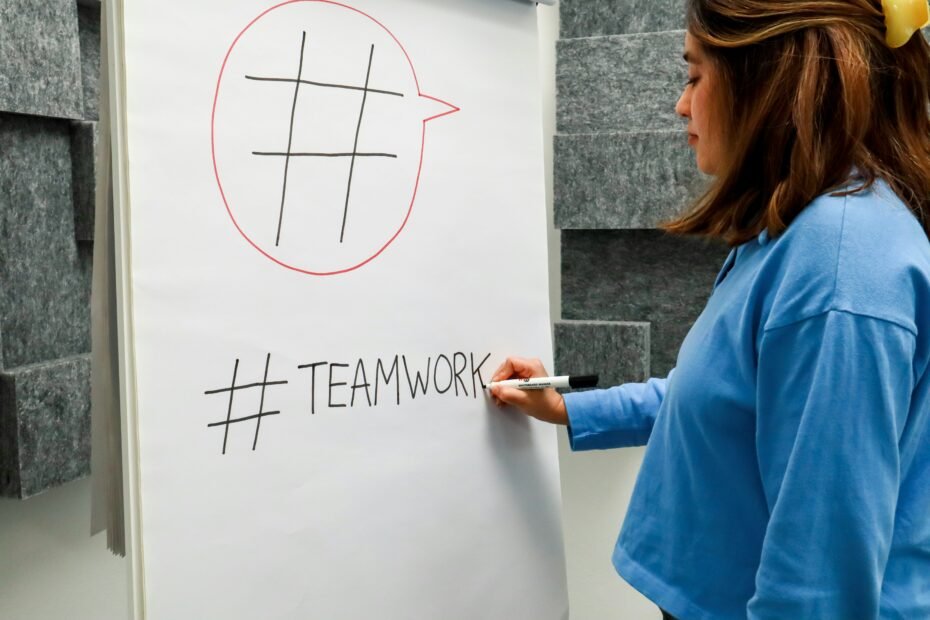
The post-pandemic world has reshaped how people think about where and how they work, creating a shift that blends flexibility, autonomy, and community-driven environments. Coworking spaces have moved from niche options to essential components of modern work culture, especially for companies and workers who want balance without sacrificing productivity. We will explore how coworking aligns with new work expectations, why it serves hybrid teams’ needs, and how spaces offer solutions that traditional offices cannot. As businesses reconsider long-term leases and workers push for environments that foster connection and wellness, coworking emerges as a practical response to the changing rhythm of our professional lives.
How Coworking Aligns With Evolving Workforce Expectations
1 Coworking Supports Hybrid Work Without Sacrificing Structure
The pandemic taught millions that work does not need to happen exclusively in traditional corporate offices. However, not everyone thrives working from home full time, and hybrid work has become the middle ground that allows employees to benefit from both autonomy and structure. Coworking fits seamlessly into this model by offering a professional workspace without the rigidity of a permanent office location. Employees can split their time between home and a coworking center, giving them access to essential work resources while maintaining flexibility.
This approach supports routine, reduces distractions, and fosters feelings of stability that remote work sometimes lacks. It also helps organizations reduce costs by avoiding large office footprints while still ensuring their teams have consistent, high-quality environments to meet, collaborate, or focus. As hybrid models continue to dominate, coworking provides a sustainable framework that allows companies to adapt without compromising productivity or employee morale.
2. Coworking Encourages Community and Human Interaction Lost During Remote Work
One of the most significant challenges of remote work during the pandemic was the loss of social interaction, collaboration, and community. Many workers reported feeling isolated, disconnected, or emotionally drained from the lack of informal conversations and shared energy that office environments naturally provide. Coworking spaces help address this by offering a vibrant, community-driven setting where people from different industries can interact, network, and build supportive connections. This sense of belonging is particularly valuable in the post-pandemic era, as people seek healthier, more meaningful work routines.
A coworking environment promotes chance encounters, peer learning, and even friendships that can enrich a person’s workday. Facilities integrate communal lounges, shared desks, and collaborative rooms that encourage interaction while maintaining a professional atmosphere. This community-driven approach adds emotional and psychological value that remote work cannot replicate, making coworking a key element of the modern work experience.
3. Coworking Delivers Cost Efficiency and Flexibility for Companies Rebuilding After the Pandemic
Many businesses faced financial strain during the pandemic, leading them to reconsider the long-term commitment and high expenses associated with traditional office leases. The unpredictability of future workplace needs has also pushed companies toward more adaptable solutions. Coworking provides an ideal option because it eliminates long-term contracts, high upfront costs, and the burden of maintaining office infrastructure. Companies can scale up or down as needed, providing teams with access to conference rooms, private offices, and meeting areas only when necessary.
This flexibility allows businesses to reinvest resources into growth rather than real estate overhead. Spaces also bundle utilities, internet, cleaning, and amenities into one cost, simplifying budgeting for companies still navigating post-pandemic recovery. The ability to use professional space without major commitments empowers organizations to remain agile and financially resilient in a continually evolving work landscape.
4. Coworking Enhances Work-Life Balance With Location Versatility and Better Daily Structure
Post-pandemic workers now place a higher emphasis on mental well-being, personal time, and a more balanced lifestyle. Coworking aligns with this mindset by allowing individuals to choose a workspace closer to home, reducing commutes and giving them more control over their daily routines. This location flexibility helps transform the workday from a rigid schedule into a balanced flow, enabling individuals to manage work and personal responsibilities more effectively.
Coworking spaces also bring structure to the day without imposing the formality of a traditional office. People can step into a professional setting to focus, meet clients, or attend virtual meetings in a distraction-free environment. Coworking space offers amenities such as private offices, lounges, and high-speed internet that support efficient work while also creating a comfortable atmosphere. This balanced approach helps workers avoid burnout, maintain productivity, and feel more satisfied with their overall work-life integration.
5. Coworking Adapts to Modern Tech Needs and Remote Collaboration Tools
Today’s work model relies heavily on digital tools, virtual collaboration, and seamless connectivity. Post-pandemic teams often include members working from different cities—or even different countries—making reliable technology a critical element of any workspace. Coworking centers are built with this reality in mind, offering strong internet, private meeting rooms, phone booths, and tech-ready spaces that support everything from video conferences to cloud-based workflows.
For freelancers, remote employees, and small businesses, having access to this level of infrastructure without having to maintain it themselves is a major advantage. Coworking centers integrate modern tech capabilities into every corner of the workspace, ensuring people can work efficiently without interruptions or equipment limitations. This type of setup is essential in the post-pandemic landscape, where digital collaboration has become the norm, and businesses rely on it to remain competitive. Coworking offers a reliable foundation for these new expectations, supporting smooth communication and high performance across teams.
Coworking has become a natural fit for the post-pandemic work model because it brings together flexibility, community, technology, and cost efficiency in one adaptable environment. With balanced environments, supportive communities, and the ability to adjust to new demands, coworking spaces offer practical solutions that help people work better and live better in a world that has permanently changed.