
Key Takeaways
- Delaying tooth replacement can lead to deterioration of the jawbone and changes in facial structure.
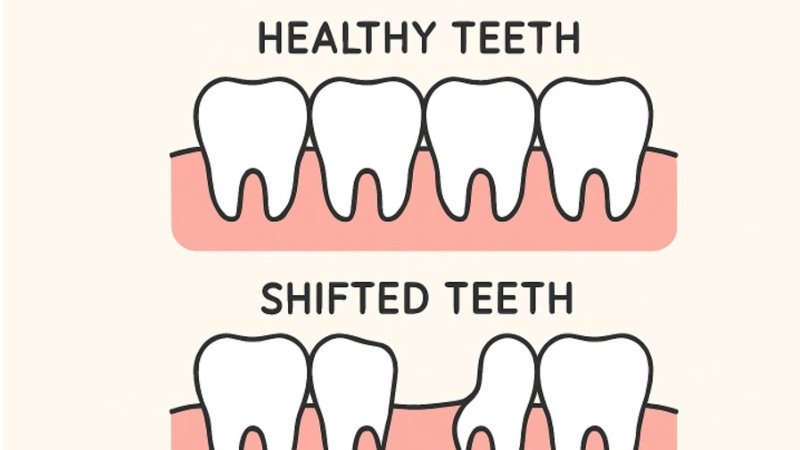
- Adjacent teeth may shift, causing misalignment and bite issues.
- Higher risk of gum disease and tooth decay due to hard-to-clean gaps.
- Chewing difficulties create potential nutritional deficiencies.
- Speech problems and psychological impacts may arise from missing teeth.
Table of Contents
- Introduction
- Bone Loss and Facial Changes
- Teeth Shifting and Bite Issues
- Increased Risk of Gum Disease and Tooth Decay
- Chewing Difficulties and Nutritional Deficiencies
- Speech Impairments
- Psychological Impact
- TMJ Disorders and Chronic Pain
- Financial Implications of Delayed Treatment
When a tooth is lost, it affects much more than just your appearance. Delaying replacement can trigger a cascade of dental and medical problems. It’s essential to recognize these risks early and consider solutions like full mouth dental implants Thayer MO to restore both function and confidence quickly. Being proactive can save you from considerable discomfort and expense down the road.
The space left behind by missing teeth is more than a cosmetic concern it directly affects the health of your jawbone, the position of remaining teeth, and even your nutritional intake. Tooth loss also influences speech and self-esteem and can eventually lead to chronic pain and more complex oral health issues.
Over time, the longer someone waits to address tooth loss, the more extensive and complicated the effects become. Early replacement with dental implants or bridges ensures the remaining teeth stay in place and the jawbone continues to be stimulated, preserving long-term oral health.
Bone Loss and Facial Changes
Once a tooth is lost, the jawbone underneath no longer receives stimulation from chewing. This absence of pressure causes the bone to gradually deteriorate a process known as bone resorption. Over months or years, this leads to a visible shrinkage of the jawbone, resulting in hollowed-out cheeks and sharpened facial lines. The resulting sunken appearance is often associated with premature aging.
Replacing teeth promptly helps preserve the jawbone, maintains the natural contour of your face, and prevents these unwanted changes.
Teeth Shifting and Bite Issues
The teeth adjacent to a missing tooth tend to drift into the empty space, which starts a domino effect of shifting throughout the mouth. This misalignment can cause bite problems, affect the way your upper and lower teeth fit together, and put uneven pressure on existing teeth. Left unaddressed, misaligned teeth can increase the risk of chipping, fractures, or excessive wear. Orthodontic treatment is often required to reverse this shifting if replacement is delayed too long.
Increased Risk of Gum Disease and Tooth Decay
Gaps from missing Tooth Replacement become havens for food debris and bacteria. These hard-to-reach spots are difficult to clean effectively, making them prone to gum disease and decay in neighboring teeth. As inflammation builds, it can spread deeper into the gums and even contribute to other health conditions, according to Mayo Clinic’s guide to oral health. Maintaining a complete set of teeth is one of the best ways to avoid this cascading risk to oral health.
Chewing Difficulties and Nutritional Deficiencies
Missing teeth disrupts your ability to chew, which can lead you to avoid tough or crunchy foods such as raw fruits, vegetables, or lean proteins. Over time, this restriction can lead to unbalanced meals and nutritional deficiencies, ultimately affecting your energy, immunity, and overall well-being. Prompt tooth replacement restores your ability to eat a full range of healthy foods and supports better long-term health outcomes.
Speech Impairments
Teeth play a crucial role in proper pronunciation and clear speech. Losing them, especially those at the front, can create a lisp, speech slurring, or difficulty making certain sounds. This can make communication frustrating and undermine your professional or social interactions. Addressing missing teeth early helps regain natural speech and boosts daily confidence.
Psychological Impact
Many people feel self-conscious about gaps in their smile, which can contribute to lower self-esteem or even social withdrawal. This psychological burden can affect both personal and professional relationships. By restoring your smile, you not only benefit your physical health but also restore confidence and promote healthier social engagement.
TMJ Disorders and Chronic Pain
When teeth move out of their natural position, jaw alignment is affected. This can place excessive stress on the temporomandibular joint (TMJ), leading to disorders that cause facial pain, headaches, and difficulty with jaw movement. Chronic pain and reduced range of motion in the jaw are common symptoms. Replacing missing teeth protects your TMJ and reduces the risk of these chronic complications.
Financial Implications of Delayed Treatment
The longer tooth loss goes untreated, the more complex and costly it is to correct the resulting dental issues. Delayed treatment can necessitate bone grafts, orthodontic care, or even multiple implants, driving up both the time and expense involved. Early intervention typically involves less complex procedures, minimizes overall costs, and preserves your oral health for the long term. Visit World Bright Aura for more information.
In conclusion, choosing to replace missing Tooth Replacement without delay is one of the best decisions you can make for your oral health, appearance, and quality of life. Addressing tooth loss early helps prevent a range of avoidable complications, ensuring a healthier mouth and a more confident you.