
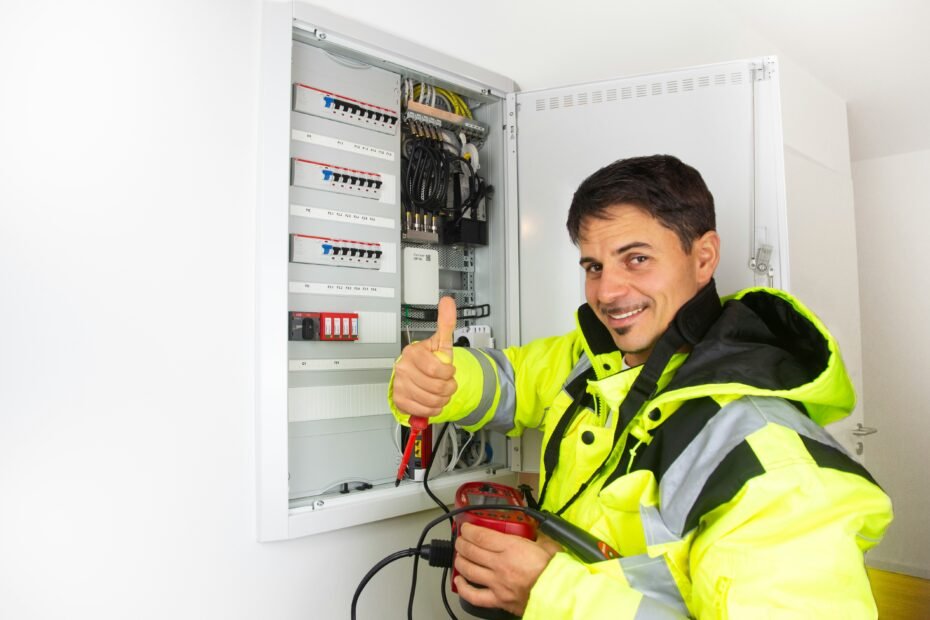
Storms can inflict a wide range of damage on a home, from visible structural issues to hidden problems within electrical systems. One area that is particularly vulnerable is the electrical panel, which serves as the central hub for power distribution throughout a property. After a storm, even if there are no immediate signs of electrical failure, underlying damage such as water infiltration, power surges, or physical impacts can compromise the safety and functionality of the panel. Ignoring potential damage can lead to circuit failures, fire hazards, or reduced capacity to handle electrical loads.
We will explore the circumstances that necessitate an electrical panel upgrade after storm damage, including safety concerns, system capacity limitations, and the benefits of modern power management options. Falcon Electric can help homeowners recognize the right time for an upgrade, ensuring that homes remain safe, efficient, and prepared for future electrical demands.
When an Electrical Panel Upgrade Becomes Necessary
- Physical Damage from Storms
Storms often bring strong winds, flying debris, and water intrusion, all of which can affect an electrical panel. Physical damage such as dents, cracks, or corrosion can compromise the panel’s integrity and lead to shorts or malfunctions. Water is particularly concerning because even minor leaks into the panel can erode wiring, corrode connections, and cause rust on metal components. After flooding or significant rain, the moisture can settle within the panel, posing a serious risk of electrical fire.
Additionally, falling branches or debris during a storm can impact overhead wiring or the service mast leading to the panel, further increasing the likelihood of failure. In many cases, visible damage might be accompanied by internal issues that are not immediately apparent, such as weakened circuit breakers or compromised insulation, making a professional assessment essential. A timely upgrade not only restores functionality but also prevents long-term hazards that could escalate over time.
- Surge Damage and Electrical Overloads
Lightning strikes or power surges during a storm can cause significant damage to an electrical panel. Even if the strike doesn’t directly hit the home, surges transmitted through power lines can overwhelm the panel’s circuit breakers, damaging sensitive internal components and reducing their effectiveness. Overloaded or tripped breakers after a storm are often an indication that the panel can no longer safely manage the household load. Upgrading the electrical panel after such events ensures that the system can handle modern electrical demands safely, particularly if the home has high-consumption appliances such as air conditioning units, electric water heaters, or EV chargers.
Panels that are decades old or from manufacturers with known design flaws may be particularly susceptible to surges, and replacing them can significantly improve resilience against future electrical disturbances. Modern panels also include features that provide better protection against unexpected spikes, which helps safeguard both the home and its occupants.
- Outdated Panels and Increased Electrical Demand
Homes built several decades ago often feature electrical panels that were designed to accommodate far less electrical load than modern households require. The addition of storm-related damage or the need to restore service after outages can reveal limitations in these older panels. Panels that cannot safely handle contemporary appliances or additional circuits are prone to overheating, frequent tripping of the circuit breakers, and fire hazards.
Upgrading to a modern panel after storm damage ensures the home’s electrical system is capable of managing the current and anticipated load. This is particularly important for families adding new appliances, renewable energy sources, or home office equipment that demands consistent power. By upgrading the panel, homeowners not only restore safe electrical distribution but also future-proof their system to accommodate lifestyle changes and technological advancements without compromising safety.
- Signs of Compromised Safety
Following a storm, certain warning signs indicate that an electrical panel may require immediate attention or replacement. Frequent tripping of breakers, flickering lights, burning smells, or unusual noises from the panel are all indicators of internal damage. Even minor exposure to moisture can weaken the insulation and connections within the panel, making the entire system more vulnerable to short circuits and electrical fires. Homeowners may also notice rust, discoloration, or corrosion inside the panel, all of which suggest that the metal components have deteriorated. Ignoring these warning signs can lead to catastrophic failures, particularly during periods of high electricity usage. An electrical panel upgrade in response to these symptoms not only resolves immediate issues but also restores confidence in the home’s electrical system, ensuring that appliances and devices operate reliably and safely.
Storms present a variety of challenges for homeowners, and electrical panel damage is one of the most critical issues to address promptly. Whether through physical damage, surge exposure, outdated capacity, or signs of compromised safety, recognizing when an upgrade is necessary can prevent hazardous situations and restore reliable power distribution. Modern electrical panels not only handle contemporary load requirements but also integrate advanced power management systems, offering greater efficiency and control over household energy use.
Furthermore, an upgraded panel ensures compliance with safety regulations and strengthens the home’s resilience against future storms. Taking timely action to assess and replace a damaged panel protects the property, safeguards occupants, and ensures that the electrical system remains functional, safe, and prepared for evolving energy demands.