
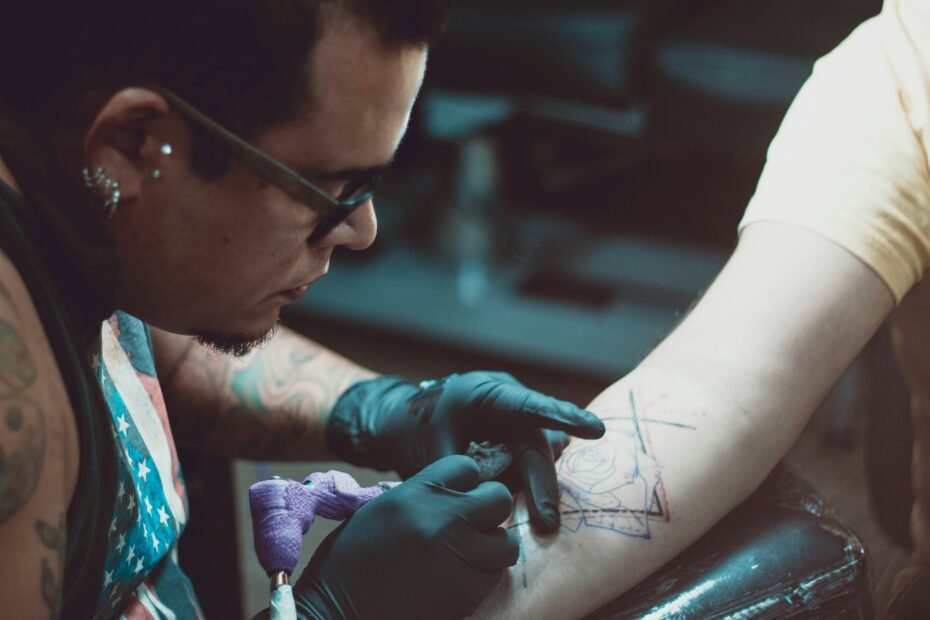
Creating a custom tattoo is a deeply personal and collaborative process that blends imagination, communication, and creative decision-making. A well-designed tattoo begins long before the needle touches the skin, and understanding how ideas become ink can help clients appreciate both the artistry and the effort involved. We will explore how tattoo artists listen to a client’s ideas, transform those thoughts into thoughtful concepts, refine them through sketches, and prepare a design that fits the body with intention and meaning. This journey celebrates creativity, trust, and the shared vision that ultimately becomes a lasting part of someone’s identity.
How Tattoo Artists Turn Ideas Into Custom Designs
1. Understanding the Client’s Vision
The first step in any custom tattoo is communication. Tattoo artists spend meaningful time learning about the client’s story, preferences, and the emotional significance behind the piece they want. This stage involves discussing themes, symbols, style preferences, size expectations, and placement options. Many clients come with vague ideas—perhaps a memory, a feeling, or a theme—and the artist’s role is to ask the right questions to bring these thoughts into focus.
Some clients bring reference photos from online galleries or shops like Platinum Ink when planning a tattoo in Austin, while others come with only a verbal description. The goal is not to copy an existing design but to understand the core concept and shape it into something original. Artists also consider how the tattoo will age, which lines will hold up over time, and whether the idea fits the chosen body part. By listening closely and guiding clients through possibilities, artists create a foundation that honors both the artistic process and the client’s identity, setting the tone for the rest of the journey.
2. Concept Development and Rough Sketching
Once the artist understands what the client wants, the creative translation begins. During this phase, the artist turns thoughts into visuals by creating rough sketches or digital drafts. These initial drawings are not meant to be perfect; they act as a layout to explore proportions, balance, and energy within the design. Artists might produce several variations to experiment with composition and adjust elements based on the client’s feedback. This stage is where creativity meets practicality. The artist must consider how the design interacts with skin texture, how shading will appear on different tones, and how each line will follow the natural curvature of the body. They also consider negative space, contrast, and flow, ensuring the tattoo looks intentional rather than forced. Clients may be surprised by how much back-and-forth occurs here, but it is essential. Every revision brings the tattoo closer to a piece that feels authentic. Through thoughtful sketching, artists shape the raw concept into a design that carries both visual appeal and personal meaning.
3. Refining the Artwork and Preparing for Placement
After the rough draft is approved, artists polish the design by adding detail, depth, shading, and texture. At this stage, the drawing becomes more defined, capturing the tone and style the client envisioned. This refinement process often includes digital adjustments, hand-drawn enhancements, or even stylistic tweaks that make the piece stand out. But refinement isn’t purely aesthetic; it also involves careful planning for placement. Tattoo artists study the chosen body area, measure the available space, and evaluate how the design will shift naturally with muscle movement. Curves, angles, and skin structure influence the final layout, ensuring the tattoo sits comfortably and looks cohesive whether the person is still or in motion. Once the design is finalized, a stencil is created. This blueprint helps guide the tattooing process with precision, allowing the artist to focus on details during the session. By combining artistic refinement and anatomical awareness, the artist ensures the finished design is both visually powerful and physically suited to the client’s body.
4. The Transition From Paper to Tattoo Session
With the stencil ready, the final stage of the design process involves preparing for the actual tattoo session. Before any ink is applied, the artist places the stencil on the skin and ensures the client is satisfied with its exact position. This moment is crucial—placement can dramatically affect the tattoo’s meaning, visibility, and long-term satisfaction. If adjustments are needed, the artist revises the angle, spacing, or size so the tattoo aligns harmoniously with the body. Once the stencil is approved, the tattooing begins. This step marks the transformation from a two-dimensional drawing into a permanent work of body art.
Artists follow the stencil for structure but often make subtle enhancements during tattooing, adjusting lines, adding textures, or refining shading to bring the design to life. Throughout the session, communication continues. Artists ensure the client feels comfortable and fully involved, creating an experience that feels collaborative until the final wipe reveals the finished piece. This final moment reflects the effort, planning, and creativity that began with a simple idea.
The journey from concept to tattoo is a thoughtful, layered process that values communication, creativity, and trust. Custom tattoos are not just drawings applied to skin—they are personal stories shaped through collaboration between the artist and the client. By understanding how tattoo artists transform sketches into body art, clients gain a deeper appreciation for both the craft and the connection that makes each tattoo unique. This careful, creative process ensures every custom piece becomes something the client can wear with pride for years to come.